AI Photography for Moroccan Restaurant Menus
A tagine's conical lid is the most recognisable object in the cuisine, and it hides the item completely. Six tagines under six identical lids are six copies of one photograph, which is exactly what a duplicates rejection is made of.
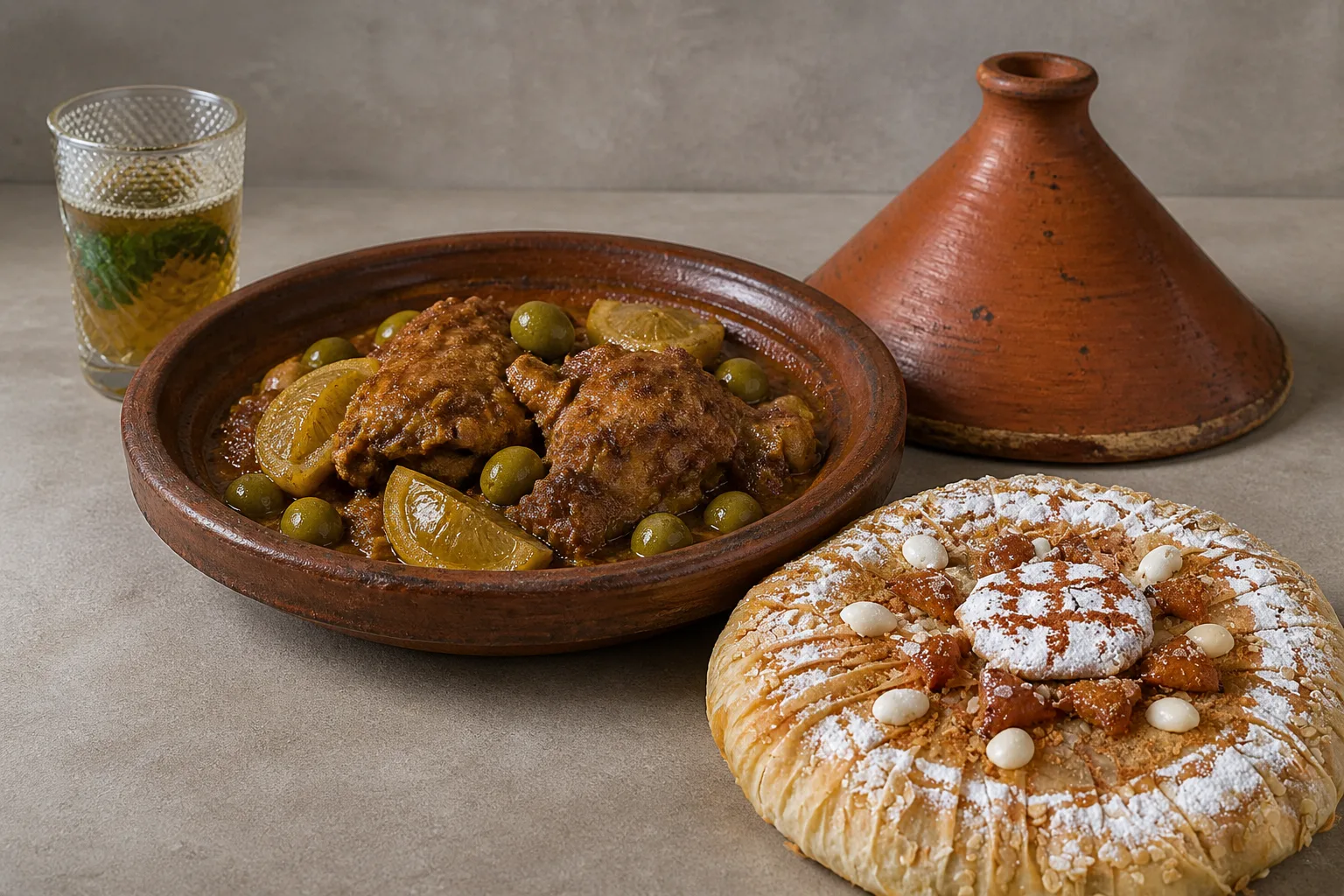
A Moroccan menu is easy to recognise and hard to photograph for the same reason. What identifies these dishes sits on top of them — a conical clay lid, a dusting of icing sugar with cinnamon across it, a head of foam — and every platform rule is about what is underneath.
The cone is the most recognisable thing on the menu, and it is opaque
A tagine arrives sealed under a tall clay cone. Photograph it that way and you have photographed a piece of pottery — which is not a styling complaint but a compliance one.
DoorDash names duplicates among its eleven rejection reasons: every unique menu item needs its own photo, and reuse is permitted only for the exact same item — its published example a Beef Taco and a Chicken Taco. Sources are in our DoorDash photo requirements guide. Six tagines, from chicken with preserved lemon to kefta with egg, arrive in six identical vessels and produce six frames that differ in nothing a customer can see. Most cuisines reach the duplicates rule because the food resembles itself; this one reaches it because the vessel does, though the dishes underneath are not alike at all.
So the cone comes off, and it need not leave the frame. A lid is not a second item; it is half of the dish the item is served in, and neither DoorDash's bar on several separately sold things nor Uber Eats' single-item rule is about crockery. Stand it behind the base and the pottery still names the cuisine.
Lifting the cone does not leave you with a curry
The food sits below the rim of a shallow flared dish, which settles camera height before you touch a light. Overhead flattens the contents into a disc of sauce; low enough to be dramatic shows the outside wall of a clay pot. A raised three-quarter is the only position that holds both.
What is under the lid is better news than a curry bowl. A curry must argue for a submerged protein; a tagine is built as a dome, and the kitchen places what the listing is named after on top — the lemon quarters, the olives, the eggs set into the kefta. It is the rare bowl-liquid item where the honest photograph and the legible one are the same. The sauce's angle and colour are on the curry page.
Icing sugar is an ingredient, and the rule is about the file
Pastilla comes out under a layer of icing sugar with cinnamon drawn across it in lines, and a moderator scrolling item photos sees a round object with a pattern printed on it. DoorDash names text, graphics and borders among its rejection reasons.
The distinction matters: the rule governs what you add to the image, not what the kitchen put on the food. A lattice of cinnamon is an ingredient and was there before the shutter. Two habits still make that argument harder to win — do not let the pattern spell anything, and do not run the cinnamon as a ring around the rim, which is a border by any reading.
The shape brings luck the rest of the menu does not get: the pattern radiates from the centre, and every crop these platforms apply is a centre crop, so the 1:1 thumbnail DoorDash cuts from a 16:9 upload keeps exactly what identifies the item. Otherwise it crops like a whole pizza, as msemen and khobz do — the pizza page runs the ratios. Compression is the harder half: powdered sugar is fine, low-contrast texture, and the file is capped at 2 MB before the platform re-encodes it. Light it from low and to one side so the dusting has relief to survive on.
The tea photograph you already have in mind has a hand in it
Mint tea is poured from height so it arrives with a head of foam, and that pour is the image everyone reaches for: pot raised, thin arc, glass below. Two of the three platforms will not take it. Grubhub bars hands and body parts outright, and DoorDash permits them only where they do not obscure the item; Uber Eats is the one that excepts hands with no condition attached. The single-item rule is not the objection here — a serving pot is no more a second menu item than the lid was. What is left is the arc, and a phone will not freeze it cleanly.
What is left is a glass already poured, the foam standing as the evidence. Any tall vessel fights DoorDash's landscape-only 16:9, and the coffee page works that through — but its answer, go overhead and turn the cup into a circle, is wrong here: overhead, a tea glass is a ring of foam. The tea's colour and clarity through the glass is the product, and it exists only where light comes through. Put the source behind the glass and keep the camera at the raised three-quarter the tagine already wants.
Shoot one tagine twice, then shoot the second tagine
Shoot the same tagine cone on and cone off, and look at both small: the lidded frame is the one your eye prefers, and the one that will be indistinguishable from the next five listings. Then open the second tagine and compare the two at thumbnail size. If you cannot tell the lamb from the chicken, the fix is in the kitchen rather than the exposure — more lemon showing, the prunes brought up, the egg centred. Decide it once and the other four are the same decision.
See how MenuFactory works — deciding what a tagine photograph is, then getting that decision onto six of them, is the part that stops being a shoot day here.