AI Photography for Peruvian Restaurant Menus
Ceviche cures on the plate, so the fish is still changing while you light it. A photograph freezes one minute of a dish that keeps moving — and 'the exact same item', the only thing a platform lets you reuse a photo for, stops being a stable thing.
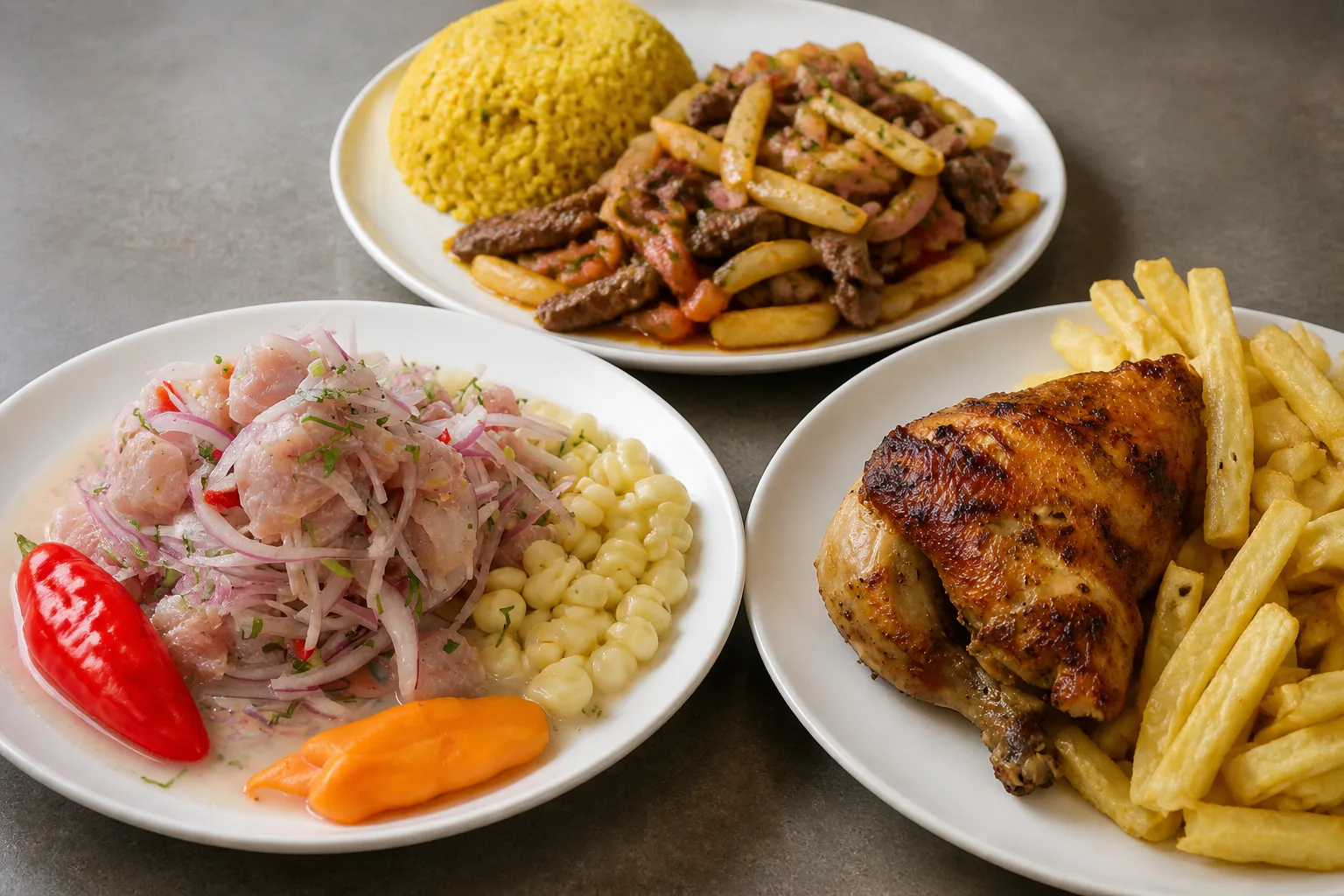
A Peruvian menu asks you to photograph something that will not hold still. Ceviche is cured by acid rather than heat, and the cure does not stop when the bowl leaves the pass.
Ceviche is still changing while you light it
Lime turns the fish from translucent to opaque, and keeps turning it. The leche de tigre pooled underneath is not a sauce added at plating — it is the marinade, and the onion keeps bleeding into it. Everything that identifies the dish is mid-reaction.
DoorDash's misrepresentation clause asks that the image represent the item as served. On a sushi listing that discrepancy is countable — ten pieces against a six-piece order. Here it is a state. A ceviche shot after sitting through a lighting setup shows firm white cubes in a settled pool; the kitchen sends translucent fish in a cloudy one. Nothing was added or removed, and the photograph is still of a dish the customer will not receive.
So build and meter the shot on a dressed bowl with no fish in it, then plate and shoot at the cure your kitchen actually serves.
"The exact same item" is a moving target
DoorDash names duplicates among its eleven rejection reasons: every unique menu item needs its own photo, and reuse is permitted only for the exact same item — its published example, a Beef Taco and a Chicken Taco. Sources are in our DoorDash photo requirements guide.
That rule assumes an item stays itself. Ceviche de pescado, ceviche mixto, tiradito and leche de tigre in a glass are four priced listings off one preparation. Shot early and shot late, one of them gives you two images that are not obviously the same dish; shot at the same minute, two of them are one.
At thumbnail size the geometric difference — tiradito sliced rather than cubed, no onion — is the first thing a downscale removes; the chromatic one survives it. Ají amarillo over tiradito is a yellow field; ceviche's purple onion over a clouded pool is a different one. Most menus build separation out of geometry because their palette repeats. This one should spend the palette instead.
The pool is part of the item
Leche de tigre is an ingredient, so it sits inside the 80% of the item that must be visible and the 50% to 70% of the frame the item must fill. Pouring it off to keep the fish clean is a removal; topping it up for the camera is an addition.
That settles the angle. From overhead the pool is a flat grey ring the cubes lose their edges into; from a low three-quarter it takes a highlight and the fish stands above it with countable corners. Gathering scattered pieces into one item is the sushi page's whole problem, gloss included.
The fries are inside the item, not beside it
Lomo saltado is beef, red onion and tomato tossed with fries in one wok over rice; arroz chaufa and a plate of anticuchos are the menu's other wide, irregular spreads. DoorDash accepts 16:9 landscape only and centre-crops that file to 1:1 for some surfaces, so a spread loses its outer edges on the way.
Menus with a repeating side aim that crop at it, pushing what every listing shares toward the edges the square trims. That move is gone here: the fries are not a side but part of the dish, and 80% of the item has to survive both frames.
What is left is the plating. Build the spread inward — a mound nearer square than line, rice behind rather than beside it — so the dish fits the narrower frame before the crop arrives. The wok char is the surface worth lighting, and it wants what the steak page prescribes for a sear: low angle, raking side light.
Chicharrón is the one thing here that waits
Chicharrón de chancho, papa rellena and the skin on pollo a la brasa all go soft, and a soft chicharrón is a poor photograph of the right dish. An over-cured ceviche is a good photograph of a different one. That distinction, not which item is the hardest lighting problem, is what orders a Peruvian shoot.
The crisp half loses its detail later instead: DoorDash caps a menu item photo at 2 MB, platforms re-encode what you upload, and fine texture is the first thing a lossy encoder discards. The fried chicken page covers the side light and framing distance that get a crust through that pass.
Nothing here is fixable after the shutter
Every failure here happened before the file existed: the cure ran on, the crust softened, the onion bled into the pool. The instinct then is the cutout — lift the bowl onto a clean field. DoorDash names solid colour fills and composited backgrounds among its rejection reasons, and a wet, translucent edge is among the hardest subjects to cut out cleanly anyway; why a cutout alone is not enough covers both. Shoot on a real mid-tone surface, once, at the minute the kitchen serves.
See how MenuFactory works — a curing dish gives you one honest minute, and spending it on the food instead of on the lighting is the trade this makes.