AI Photography for Spanish Restaurant and Tapas Menus
Almost every listing on a Spanish menu is the same food at a different size. The platforms size every dish to the same fraction of the frame, which erases the only thing separating a tapa from a ración.
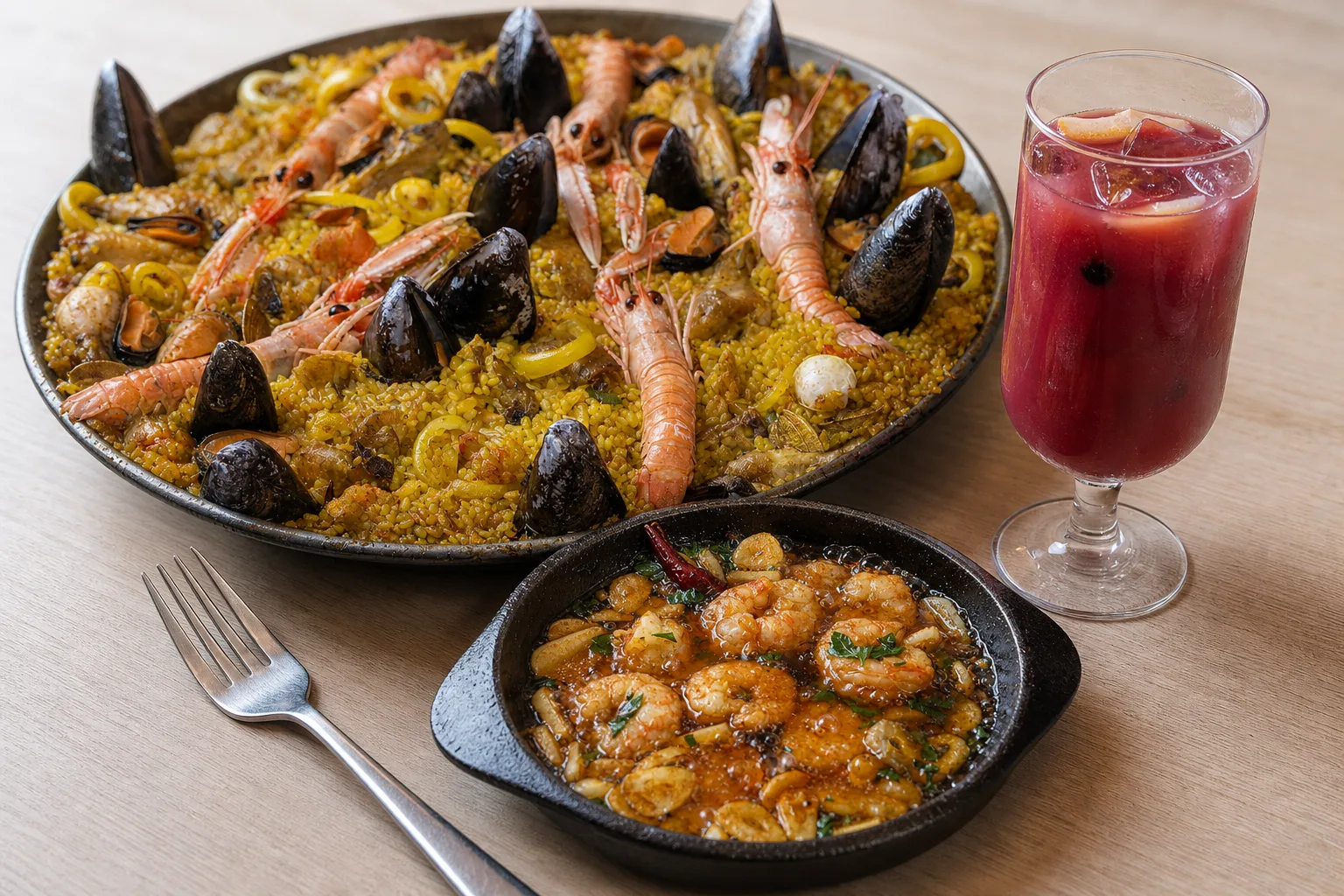
A Spanish menu sells quantities. Tapa, media ración and ración are three listings of one dish; a copa and a jarra of sangria are two listings of one drink; a paella is priced by how many people it feeds. The photograph is the one part of a listing that cannot say how much.
Every listing is a quantity, and the frame is a ratio
DoorDash requires the item to fill 50% to 70% of the frame, with at least 80% of it visible. That is a relative rule — it sizes the subject against the frame, never against the world. Frame a tapa of croquetas to it, then a ración of the same croquetas, and both occupy the same share of the same thumbnail. What makes a menu's photos look consistent is what makes its portions look identical.
Duplicates sits on top of that — one of DoorDash's eleven named rejection reasons: every unique menu item needs its own photo, and reuse is permitted only for the exact same item. Sources are in our DoorDash photo requirements guide.
A tapa and a ración are not the exact same item: two listings, two prices, two required photographs of food that differs in nothing but amount. Misrepresentation is a separate named reason, so shooting the generous version and running it on both is barred twice.
Only the tableware can carry the scale
So what is allowed to stand next to the food and say how big it is? Not a hand: Grubhub's rejection rules bar body parts, and DoorDash permits them only where they do not obscure the item. Not a second dish or a drink: Uber Eats requires a single item, and DoorDash rejects photos of several things sold separately.
What is left is the tableware, which is not sold and is not an item. Fix one plate diameter, one fork and one camera distance across the menu, and the plate becomes the ruler while the food stays the only variable.
Ración, paellera, jarra — each vessel is also a portion size
Small plates — croquetas, patatas bravas, albóndigas, gambas al ajillo — are the scattered-multiple case: loose pieces whose outer ones vanish when DoorDash centre-crops the 16:9 upload to a square thumbnail, which reads as less food than you served. Gathering rather than spreading is the fix, on the wings page.
Paella is a flat spread whose pan competes with the food for the frame. A paellera is wide, shallow and largely rim, so filling the frame with the pan leaves the rice a fraction of it, and the square crop takes the outer ring where the mussels and the lemon sit — the behaviour the BBQ platter page works through on a wide tray. It is also the one dish here not to shoot straight down: overhead flattens the rice into a disc and makes the rim the outline of the picture, where a low three-quarter keeps the shellfish standing above it.
The drinks — sangria, vermut, tinto de verano — are tall vessels in a mandatory landscape frame, and what identifies each of them sits at the top: the orange slice, the olive, the fruit at the surface of the jug. The cocktail page covers what 16:9 does to a tall glass. The jarra then repeats the quantity problem: the jug and the copa are two listings, and the jug has to visibly be more.
At tapa scale, the surface is most of the photograph
A small plate leaves most of the frame to whatever it is standing on, and here that is usually a marble, zinc or tiled bar top: patterned, reflective, and at thumbnail size indistinguishable from noise. DoorDash names background and lighting as separate rejection reasons, and requires backgrounds that are simple, non-distracting and natural.
Cutting the plate out is not the escape it looks like. Solid colour fills and composited backgrounds are named causes for rejection, white passes only where it looks natural, and a bare cutout loses the shadow and ambient light that make food read as just-served — which is how a dish ends up looking like a sticker. Both halves are in AI food background removal.
Control the ground before the shutter instead: one plain matte surface, daylight from one side, and the plate set forward enough that what is behind it falls out of focus rather than reading as tile.
Shoot the ración first, then take food away
Set the plate, the fork and the camera once, and photograph the ración. Without moving any of the three, take food off until it is a media ración and shoot again, then again for the tapa. Three frames, one setup, three thumbnails whose only difference is the thing being charged for.
Do the same with the jarra and the copa. If those two thumbnails look like the same amount of sangria, the photographs are not carrying the difference the prices claim.
See how MenuFactory works — a tapas menu is dozens of small plates that all have to look like they came off the same bar, and holding one setup across a set that long is the expensive part of shooting it by hand.